Perfect Ramen Eggs Ajitama Recipe
Ramen eggs, or ajitama, are more than just a topping for your favorite noodle soup; they are the soul-satisfying, umami-rich star that elevates a humble bowl to an unforgettable experience. There’s a reason why these perfectly marinated, jammy-yolked delights are so beloved. They offer a delightful textural contrast, a burst of savory flavor, and that beautiful, almost molten center that just begs to be slurped up with the broth. What makes ramen eggs truly special is the alchemy that occurs during the marination. That simple, unassuming boiled egg transforms into a flavor bomb, absorbing the complex notes of soy sauce, non-alcoholic mirin, and sometimes even non-alcoholic sake, becoming an integral part of what makes a truly great bowl of ramen. Mastering the art of the perfect ajitama is surprisingly accessible, and I’m so excited to guide you through it!
Ramen Eggs (Ajitama)
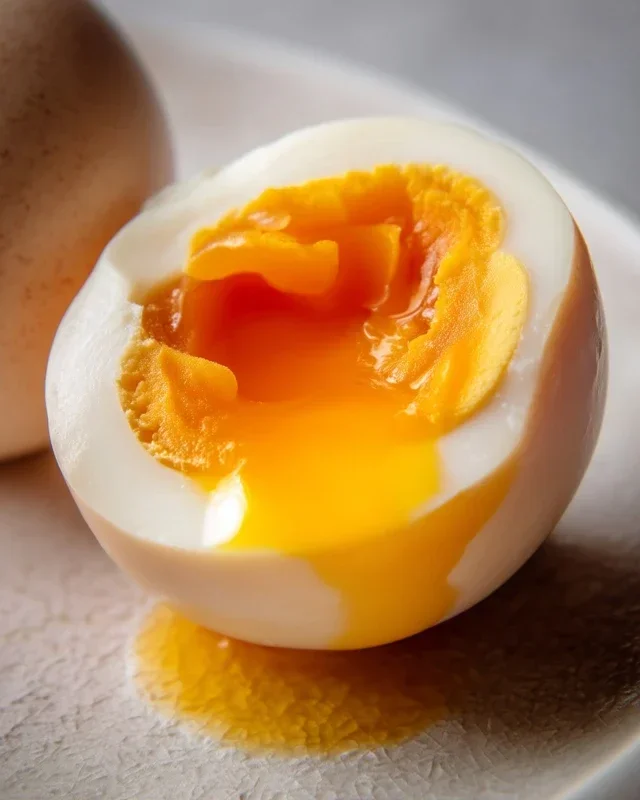
There’s something undeniably magical about a perfectly cooked ramen egg, also known as ajitama. The rich, custardy yolk, infused with a savory-sweet marinade, is the crowning glory of any steaming bowl of ramen. While it might seem intimidating, making these flavor bombs at home is surprisingly straightforward. It’s all about achieving that delicate balance between a firm white and a molten, jammy yolk, followed by a thoughtful soak in a flavorful broth. Trust me, once you master this, you’ll be adding them to all sorts of dishes, not just ramen!
Ingredients:
*Note: For the best results, I recommend using eggs that are a few days old. Fresher eggs tend to have a stronger bond between the white and the membrane, making them a bit trickier to peel perfectly. If you only have very fresh eggs, don’t worry, just be extra gentle during the peeling process.
Cooking Instructions:
Phase 1: Perfecting the Boil
The first and arguably most crucial step is to achieve that perfect soft-boiled egg. We’re aiming for a set white and a beautifully runny, yet warm, yolk. This requires precise timing and temperature control.
1. Prepare the Water Bath: Bring a medium saucepan of water to a rolling boil over high heat. You want enough water to completely submerge the eggs. If you’re using vinegar, add about a teaspoon to the boiling water. The vinegar is optional, but some people find it helps to coagulate the egg whites slightly if they happen to crack during boiling, minimizing leakage. Once the water is at a vigorous boil, carefully lower the eggs into the water using a slotted spoon or a spider strainer. Gently placing them in will prevent them from cracking on impact with the bottom of the pan.
2. Boil for the Right Duration: This is where the magic happens. Once the eggs are in, reduce the heat slightly to maintain a strong simmer, not a ragin extractg boil. Set a timer for precisely 6 to 7 minutes. I’ve found 6 minutes yields a very gooey, almost liquid yolk, while 7 minutes gives you that ideal jammy, custardy texture that’s still wonderfully soft. Experiment with both to see which you prefer! The exact timing can vary slightly depending on the size of your eggs and your altitude, so don’t be afraid to test one egg first if you’re unsure.
3. Immediate Ice Bath: As soon as your timer goes off, immediately transfer the eggs from the hot water to an ice bath. This is a critical step that halts the cooking process instantly. Fill a bowl with ice cubes and cold water. Let the eggs sit in the ice bath for at least 5 to 10 minutes, or until they are completely cool to the touch. This rapid cooling not only stops the yolk from continuing to cook but also helps the egg white to contract slightly, making them much easier to peel.
Phase 2: Marinating for Flavor
Now that our eggs are perfectly cooked and cooled, it’s time to infuse them with that signature savory-sweet ramen broth flavor. This marinade is simple but incredibly effective.
4. Prepare the Marinade: While your eggs are chilling in the ice bath, it’s time to mix up the marinade. In a small saucepan, combine the light sodium soy sauce, water, non-non-non-alcoholic alternativeic non-alcoholic mirin, and granulated sugar. Stir over medium heat until the sugar is completely dissolved. Do not boil the mixture; you just want it warm enough to dissolve the sugar. Remove from the heat and let it cool slightly. You can even let it come to room temperature for maximum flavor infusion.
5. Peel and Marinate: Once the eggs are thoroughly chilled and easy to handle, it’s time to peel them. This is where the ice bath really shines. Gently tap each egg on a hard surface to crack the shell all over, then carefully begin extract to peel, starting from the wider end. Try to peel them under cool running water, as this can help to loosen the membrane and make peeling even easier. Don’t worry if a few bits of shell stubbornly cling on; just be patient and gentle. Place the peeled eggs in a resealable bag or a small container. Pour the cooled marinade over the eggs, ensuring they are fully submerged. If your container is too shallow, you can gently place a piece of parchment paper or a small plate on top of the eggs to keep them submerged in the liquid.
6. Marinate to Perfection: Seal the bag or container and refrigerate for at least 4 hours, but ideally overnight. The longer they marinate, the deeper and more intense the flavor will become. I like to turn them a couple of times during the marinating process to ensure even distribution of the flavor. The whites will take on a beautiful amber hue, and the yolks will absorb that delightful umami richness.
And there you have it – your very own homemade ramen eggs, ready to elevate your next bowl of ramen, or even a simple rice bowl or salad. Enjoy the delicious results of your efforts!
Conclusion:
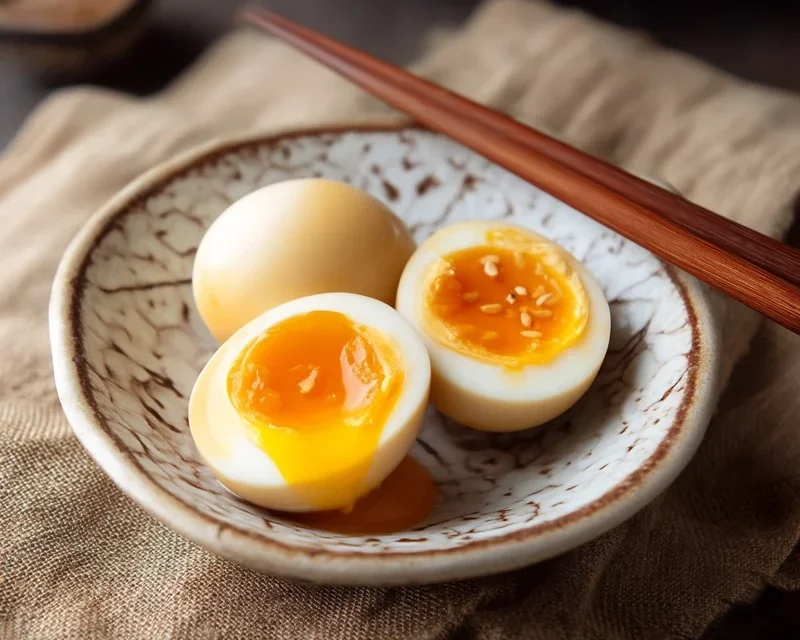
So there you have it – the simple yet incredibly rewarding process of making perfect Ramen Eggs, or Ajitama! These marinated soft-boiled eggs are truly a game-changer for any noodle lover. The magic lies in the tender, custardy yolk encased in a delicately seasoned, savory white. They’re remarkably easy to prepare and elevate even the simplest bowl of ramen to an artisanal experience. I’ve found them to be fantastic not just in ramen, but also served alongside rice bowls, in salads, or even just as a delicious snack on their own.
Don’t be afraid to experiment with the marinade! While soy sauce, non-alcoholic mirin, and non-alcoholic sake are traditional, you can add a pinch of sugar for sweetness, a dash of dashi powder for extra umami, or even a sliver of gin extractger or garlic for an aromatic twist. The beauty of this recipe is its adaptability. I truly encourage you to give these Ramen Eggs a try. You’ll be amazed at how such a simple ingredient can add so much depth and flavor to your meals. Happy cooking!
Frequently Asked Questions:
How long do Ramen Eggs last?
Once marinated, your Ramen Eggs can be stored in the refrigerator in their marinade for up to 3-4 days. They generally taste best within the first couple of days, as the flavor continues to develop.
Can I make the marinade ahead of time?
Absolutely! You can prepare the marinade a day or two in advance and store it in an airtight container in the refrigerator. This makes the egg marinating process even quicker when you’re ready to prepare them.
What if my egg yolks aren’t perfectly runny?
Don’t worry if your first attempt isn’t exactly how you envisioned! Egg timing can be tricky and depends on egg size and your stovetop. For a runnier yolk, aim for 6-7 minutes of boiling. For a slightly firmer but still jammy yolk, try 8 minutes. Practice makes perfect, and even a slightly firmer yolk will still be delicious!
Ramen Eggs (Ajitama)
Perfectly marinated soft-boiled eggs for ramen, with a jammy yolk and savory flavor.
Ingredients
-
6 large eggs
-
½ cup soy sauce (light sodium)
-
¼ cup water
-
¼ cup non-alcoholic mirin
-
2 tablespoons granulated sugar
Instructions
-
Step 1
Bring a pot of water to a boil. If using vinegar, add a splash to the boiling water. -
Step 2
Gently lower the eggs into the boiling water using a slotted spoon. Boil for exactly 6 minutes for a jammy yolk. -
Step 3
Prepare an ice bath. Once the eggs are done boiling, immediately transfer them to the ice bath to stop the cooking process. -
Step 4
While the eggs are cooling, combine soy sauce, water, non-alcoholic mirin, and granulated sugar in a bowl or resealable bag. Stir until the sugar is dissolved. -
Step 5
Once the eggs are cool enough to handle, carefully peel them. -
Step 6
Place the peeled eggs into the marinade. Ensure they are fully submerged. Marinate in the refrigerator for at least 4 hours, or preferably overnight.
Important Information
Nutrition Facts (Per Serving)
It is important to consider this information as approximate and not to use it as definitive health advice.
Allergy Information
Please check ingredients for potential allergens and consult a health professional if in doubt.