Easy Miso Soup Recipe- Quick & Flavorful
Miso soup recipe is more than just a starter; it’s a comforting embrace in a bowl, a cornerstone of Japanese cuisine that instantly transports you to a serene culinary landscape. There’s a profound reason why this humble broth holds such a special place in our hearts. Its allure lies in its deceptively simple yet deeply satisfying flavor profile – a harmonious blend of savory umami from the fermented soybean paste, subtle brininess, and a delicate oceanic whisper. For me, the magic of a perfect miso soup recipe unfolds with each spoonful. It’s the warmth that spreads through you, the way it awakens the palate without overpowering it, and the sheer versatility that allows it to be customized with an array of delightful ingredients. This is not just about a recipe; it’s about creating a moment of pure, delicious tranquility, a ritual that nourishes both body and soul.
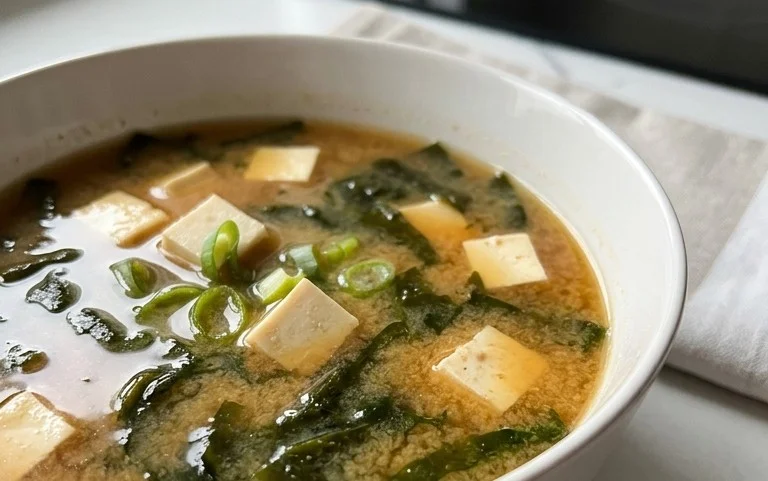
Miso Soup Recipe
There’s something incredibly comforting and deeply satisfying about a steaming bowl of authentic miso soup. It’s a staple in Japanese cuisine for a reason – it’s quick to make, incredibly flavorful, and packed with healthy ingredients. Forget those instant packets; this homemade version is worlds apart. The rich, savory umami of the miso, combined with the delicate dashi broth and tender tofu, creates a soup that’s both nourishing and incredibly delicious. It’s the perfect starter to any meal, a light lunch, or even a gentle evening pick-me-up. Today, I’m going to walk you through a simple yet incredibly rewarding recipe that will have you making miso soup from scratch in no time.
Ingredients:
Making Your Miso Masterpiece: Step-by-Step
The beauty of miso soup lies in its simplicity. The core of the flavor comes from two key elements: the dashi broth and the miso paste. Dashi is a fundamental Japanese soup stock, often made with kombu (kelp) and katsuobushi (dried bonito flakes). While you can buy instant dashi powder, making it from scratch imparts a far superior, subtle depth of flavor. If you’re short on time, good quality instant dashi is a perfectly acceptable substitute. The miso paste is where the real magic happens. There are many varieties of miso, each offering a unique flavor profile – white miso (shiro miso) is milder and slightly sweet, red miso (aka miso) is more robust and salty, and yellow miso (awase miso) is a blend. For this recipe, I’ve suggested a general amount, but I highly encourage you to taste and adjust as you go. Don’t be afraid to experiment with different types of miso as you become more comfortable with the recipe!
Step 1: Preparing the Dashi and Seaweed
First things first, let’s get our dashi broth ready. If you’re using a good quality instant dashi, simply follow the package instructions to prepare 2½ cups of broth. If you’re making dashi from scratch, you’ll typically simmer a piece of kombu in water, then add katsuobushi and strain. For this recipe, we’re starting with pre-made dashi for simplicity. Now, for the dried seaweed. This is usually wakame, a common type used in miso soup. You’ll want to rehydrate it. Place the dried seaweed in a small bowl and cover it with lukewarm water. Let it soak for about 5-10 minutes, or until it has softened and expanded. Once rehydrated, gently squeeze out any excess water. You’ll be surprised how much it grows!
Step 2: Gently Warming the Broth and Tofu
Pour your 2½ cups of dashi into a medium saucepan. Place the saucepan over medium-low heat. We don’t want to boil the dashi; we’re aiming for a gentle simmer. Boiling can sometimes diminish the delicate flavors of the dashi. Once the dashi is warm and just starting to show tiny bubbles around the edges, add the rehydrated seaweed to the pot. Stir gently to distribute it. Now, carefully add the silken tofu pieces. Try to add them gently so they don’t break apart too much. Allow the mixture to heat through for a few minutes, just until the tofu is warmed. This usually takes about 3-5 minutes.
Step 3: Incorporating the Miso Paste
This is the crucial step where the miso soup truly comes to life. It’s important to add the miso paste correctly to avoid a grainy texture or a loss of its beneficial probiotics. Never boil your miso soup after adding the miso paste, as high heat can destroy these beneficial compounds and also alter the flavor. Take a small ladleful of the warm dashi broth from the saucepan and put it into a small bowl. Add your miso paste to this bowl. Start with 2 tablespoons. Using a whisk or a fork, vigorously stir the miso paste into the warm broth until it’s completely dissolved and smooth. This process, called “tempering” the miso, ensures it incorporates evenly into the soup.
Step 4: Blending and Final Simmer
Once your miso paste is fully dissolved in the small bowl, carefully pour the miso mixture back into the saucepan with the dashi, seaweed, and tofu. Stir gently to combine everything. At this stage, your soup should be fragrant and already looking and smelling wonderful. Now, reduce the heat to the lowest setting, just enough to keep the soup warm. We are not looking for any bubbling or simmering here. Allow the soup to gently warm through for another minute or two, giving all the flavors a chance to meld together beautifully. This is also your chance to taste the soup and adjust the seasoning. If you prefer a more intense miso flavor, add the remaining half tablespoon of miso paste, dissolving it in a little more warm broth first before adding it to the pot.
Step 5: Serving Your Delicious Miso Soup
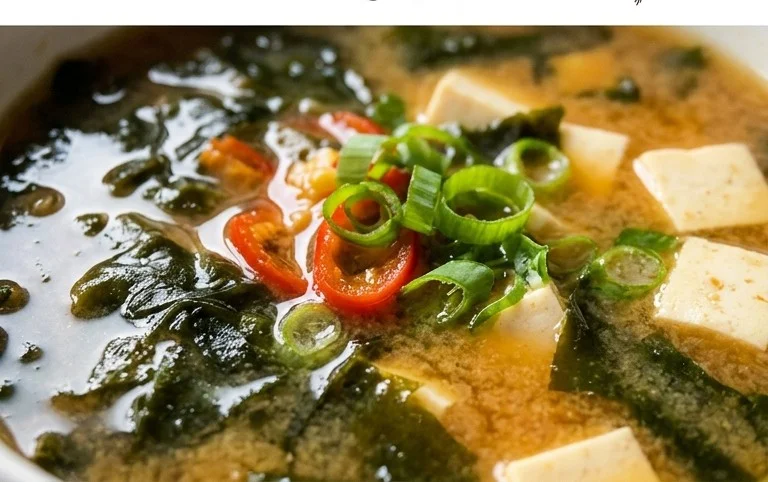
Once your miso soup is perfectly seasoned and warmed through, it’s ready to be served. Ladle the soup into individual bowls, making sure each bowl gets a good amount of tofu and seaweed. Garnish generously with the chopped scallions. The fresh, bright green of the scallions adds a lovely contrast in both color and flavor. Serve immediately while it’s hot and steaming. Miso soup is best enjoyed fresh. This simple recipe is a fantastic introduction to the world of Japanese flavors. Feel free to experiment with other additions in the future, such as finely sliced mushrooms, edamame, or even a few delicate pieces of firm white fish. But for this foundational recipe, the beauty is in its elegant simplicity. Enjoy the warm embrace of your homemade miso soup!
Conclusion:
And there you have it – a simple yet incredibly satisfying Miso Soup recipe that’s perfect for any time of day! This recipe truly shines because of its inherent versatility and the depth of flavor it offers with just a few key ingredients. It’s a fantastic base that can be adapted to your personal taste and what you have on hand, making it a go-to for a quick, healthy, and comforting meal. Whether you’re looking for a light appetizer, a side dish to complement your sushi, or a standalone nourishing bowl, this miso soup delivers. Don’t hesitate to experiment with different additions like silken tofu, mushrooms, or even a splash of sesame oil for an extra layer of deliciousness. I truly encourage you to give this recipe a try; I’m confident you’ll fall in love with its authentic taste and ease of preparation.
Frequently Asked Questions:
What kind of miso paste should I use for this recipe?
For this basic recipe, red miso or a blend of red and white miso is often recommended for a richer, more robust flavor. White miso provides a milder, sweeter taste. Feel free to experiment to find your preferred balance!
Can I make this Miso Soup recipe ahead of time?
While miso soup is best enjoyed fresh, you can prepare the dashi and other solid ingredients in advance. Add the miso paste and delicate garnishes just before serving to preserve their flavor and aroma.
What are some other popular additions to miso soup?
Beyond the recipe’s suggestions, common additions include cubed silken tofu, various types of mushrooms (shiitake, enoki), thinly sliced green onions, wakame seaweed, and sometimes even clams or shrimp for a heartier soup.
Miso Soup Recipe
A simple and traditional Japanese miso soup recipe.
Ingredients
-
2½ cups Dashi
-
1 heaping tablespoon dried seaweed
-
4 oz silken tofu (cut into small pieces)
-
2-2½ tablespoons miso paste (or to taste)
-
1 tablespoon scallion (chopped)
Instructions
-
Step 1
In a medium pot, bring the dashi to a simmer over medium heat. -
Step 2
Add the dried seaweed to the simmering dashi and let it rehydrate for a minute or two. -
Step 3
Gently add the silken tofu pieces to the pot. -
Step 4
In a small bowl, whisk the miso paste with a ladleful of the hot dashi until smooth. This prevents clumps. -
Step 5
Pour the dissolved miso mixture back into the pot. Stir gently. -
Step 6
Heat the soup through, but do not boil it, as boiling can diminish the flavor of the miso. Simmer for 2-3 minutes. -
Step 7
Ladle the miso soup into bowls and garnish with chopped scallions before serving.
Important Information
Nutrition Facts (Per Serving)
It is important to consider this information as approximate and not to use it as definitive health advice.
Allergy Information
Please check ingredients for potential allergens and consult a health professional if in doubt.